Still Showing After All These Years: What to Expect at a Drive-In Movie Theater

Ever wondered what actually happens when you pull into a drive-in? It's not just parking and staring at a screen. Drive-in movie theaters are their own distinct thing, with a culture and setup that feels nothing like a multiplex.

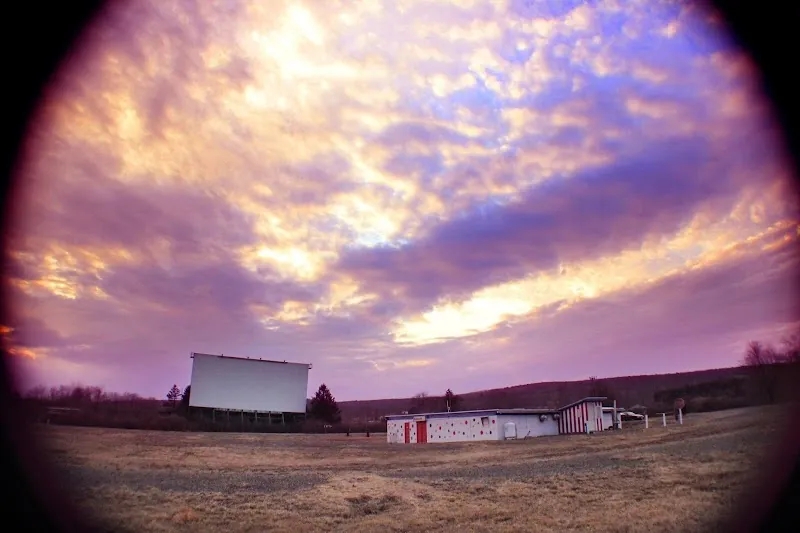
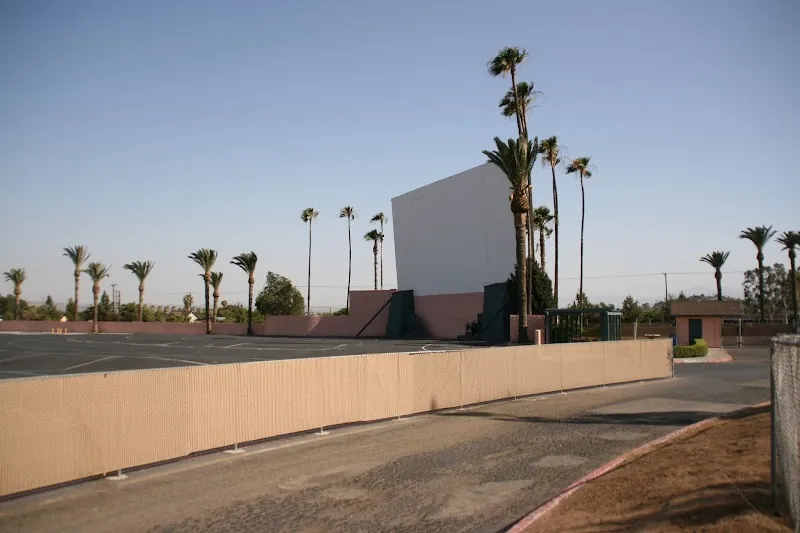
At their core, drive-in movie theaters are outdoor venues where you watch films from inside your car. A giant screen sits at one end of a large paved or gravel lot. You tune your car radio to a specific FM frequency to get the audio, which means the sound comes right through your own speakers. No headphones. No shared armrests with a stranger. Just you, your car, and however many people you decided to bring along.
How These Places Actually Work
Most drive-in movie theaters run double features, which is genuinely one of the best deals in entertainment right now. You pay one admission price and get two full movies. Prices vary by location, but many charge between $10 and $15 per adult for both films. Kids often get in free or at a steep discount. That alone puts them in a completely different category from traditional cinemas.
You arrive before dark, find a spot, and settle in. Some theaters have designated rows by screen size preference, and a few have front rows reserved for trucks or SUVs so they don't block smaller vehicles. Worth checking before you go, honestly.
Audio used to come from those iconic metal speaker boxes that hooked onto your window. Most places have retired those in favor of FM radio broadcast, but a handful of vintage-style theaters still keep the old speakers around as a novelty. If you visit one of those, try it at least once.
Bring a portable battery pack if you plan to run your car radio for three or more hours without the engine on. Dead batteries in a packed lot are a real thing that happens to real people every summer weekend.
What Sets Drive-In Theaters Apart from Regular Cinemas
This is where it gets interesting. Drive-in movie theaters are not just cinemas with bigger parking lots. They operate on a completely different social model.
At a traditional theater, you're in a dark room with strangers and any talking gets you a dirty look. At a drive-in, you're in your own private bubble. You can talk, laugh loudly, pause to eat something messy, or let a kid fall asleep in the back seat without it affecting anyone else's experience. That flexibility is real and it matters, especially for families.
Food is another major difference. Many drive-ins have their own snack bars with surprisingly good menus, ranging from classic popcorn and candy to burgers, hot dogs, and occasionally local food trucks parked on site. You're also welcome to bring your own snacks in most cases, which you absolutely cannot do at a standard multiplex. Some people pack full coolers. Honestly, that's half the fun.
Drive-in movie theaters also tend to show films slightly later in the release cycle than indoor theaters. You might catch a film that left multiplexes three or four weeks ago, which works fine for most audiences and often means the programming is more relaxed and varied.
What the Experience Feels Like on the Ground
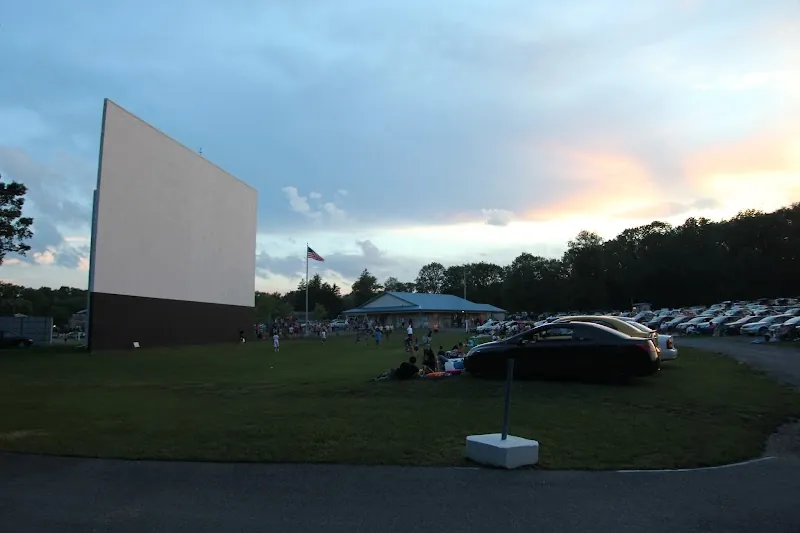
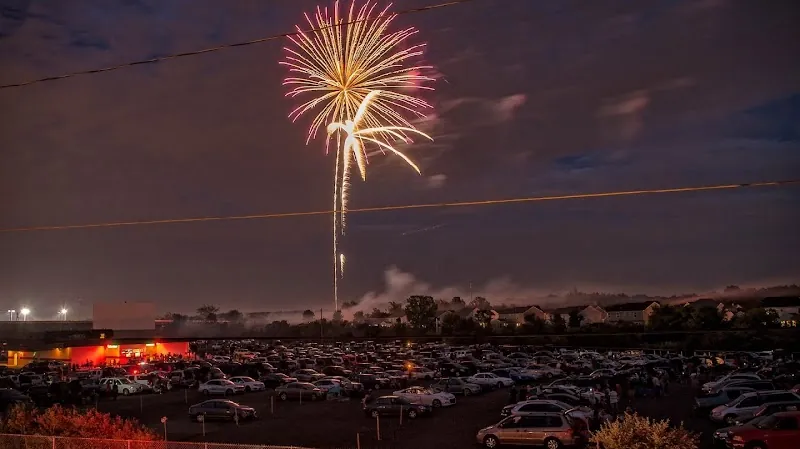
Walking into one for the first time, you notice how much space there is. Drive-ins typically occupy several acres. Some can fit 200 to 500 cars per screen, and larger operations run multiple screens simultaneously showing different films. You could go with a group of friends, split into separate cars, and watch different movies at the same location. That does not happen at the local AMC.
Many theaters open their lots 60 to 90 minutes before showtime. That pre-show window has its own rhythm. People set up lawn chairs between their cars, kids run around in the grass near the playground equipment that a lot of these places still maintain, and the snack bar line builds up. It's more like a neighborhood event than a movie outing.
There's a reason drive-in movie theaters have averaged 4.6 stars across 81+ verified listings on Drive-In Pal. People who go tend to be delighted. Not just satisfied. Actually delighted. That's a harder rating to earn than it looks.
A few practical notes: arrive at least 30 minutes early on busy nights, especially Fridays in summer. Backing into your spot gives passengers in the rear seats a better view. And if the theater has a playground area near the screen, get there early enough to grab a row with a clear line of sight past it.
How to Pick a Good One
Not all drive-in movie theaters are equal. Some are well-maintained, with clear screens, strong FM signals, and clean facilities. Others are showing their age in ways that affect the experience, like washed-out projections or audio that cuts in and out.
Screen brightness matters more than people expect. Newer theaters use LED or high-output digital projectors that look sharp even on warm, slightly hazy nights. Older setups can look dim, especially in the first 30 minutes before it's fully dark. Reading recent reviews that specifically mention picture quality is worth your time before you drive an hour to a place.
Sound is the other variable. A strong FM broadcast should come through clearly at low to medium volume. If reviewers consistently mention audio issues, that's a real problem that won't fix itself.
Go with a verified listing. It sounds obvious, but a lot of drive-ins have closed over the years and not every directory keeps up. Confirmed-open, recently reviewed locations save you the frustration of showing up to a dark, padlocked lot. It happens more than you'd think.
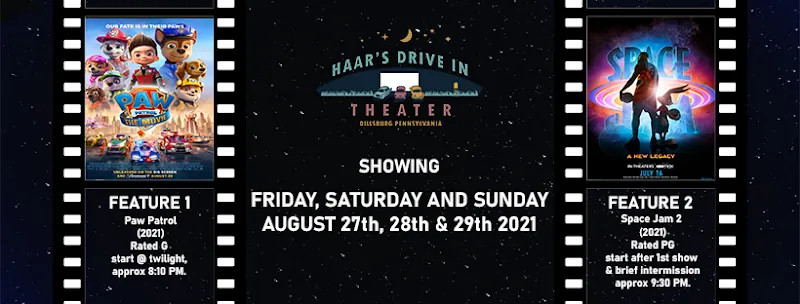
Drive-in movie theaters reward a little preparation. Check the schedule ahead of time, note the FM frequency, charge your devices, and pack snacks if you want them. Do those four things and you're set up for a genuinely good night.